R-value measures how well insulation slows heat. Higher is better, but every extra inch costs money, so the right number depends on how hot your attic gets.
LA has more than one climate
California's building code splits the state into climate zones. Greater Los Angeles covers several of them:
| Area | Zone | Our usual target |
|---|---|---|
| Santa Monica, coastal Westside | 6 | R-30 to R-38 |
| San Fernando Valley, Burbank, Glendale, Pasadena, Santa Clarita, Conejo & Simi | 9 | R-38 to R-49 |
| Palmdale, Lancaster | 14 | R-49 |
Some cities straddle zones, so we confirm yours by ZIP code on the inspection.
What those numbers look like
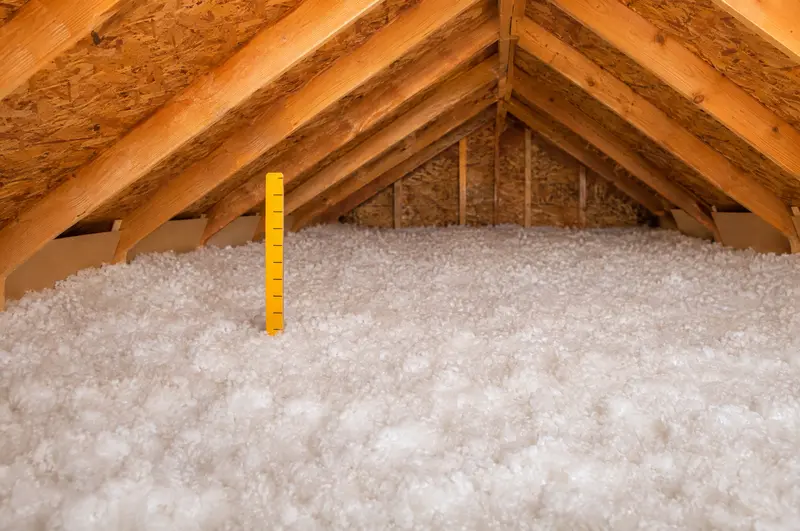
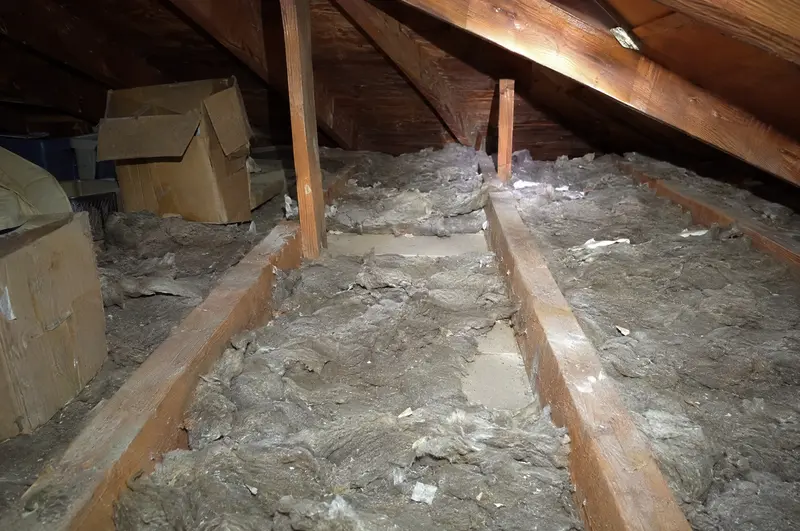
With blown-in fiberglass, R-38 is roughly 13–15 inches deep and R-49 roughly 16–18 inches, depending on the product. If you look in your attic and can see the tops of the joists, you are likely under R-19.
When to go deeper
- Your HVAC unit or ducts are in the attic
- You have rooms that overheat in the afternoon
- You live in the Valley or further inland, where attics regularly pass 140°F
In those cases, R-49 is usually worth it, often together with a radiant barrier.
When R-30 to R-38 is enough
Near the coast, the attic rarely gets extreme, and most of the benefit comes from air sealing and an even layer without gaps. Spending more on depth there brings smaller returns.