We get asked this question almost every week, and the honest answer is that the two rarely compete. They solve different problems, and a lot of homes end up with a little of each.
Blown-in: the attic floor workhorse
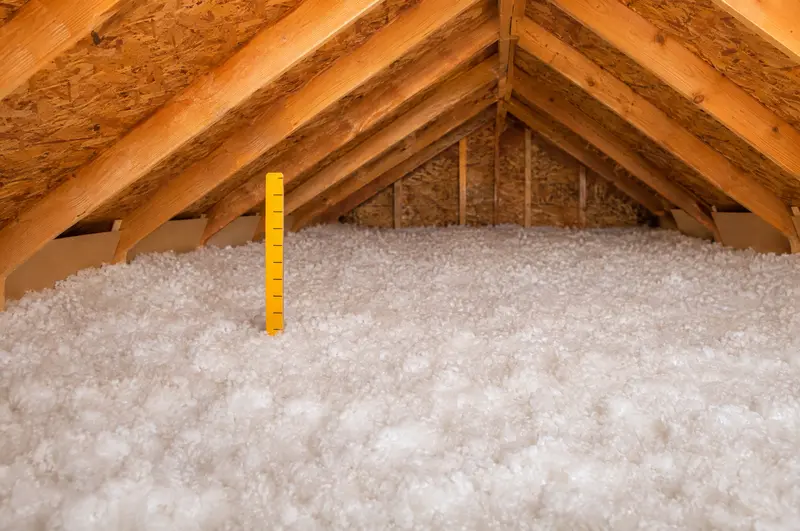
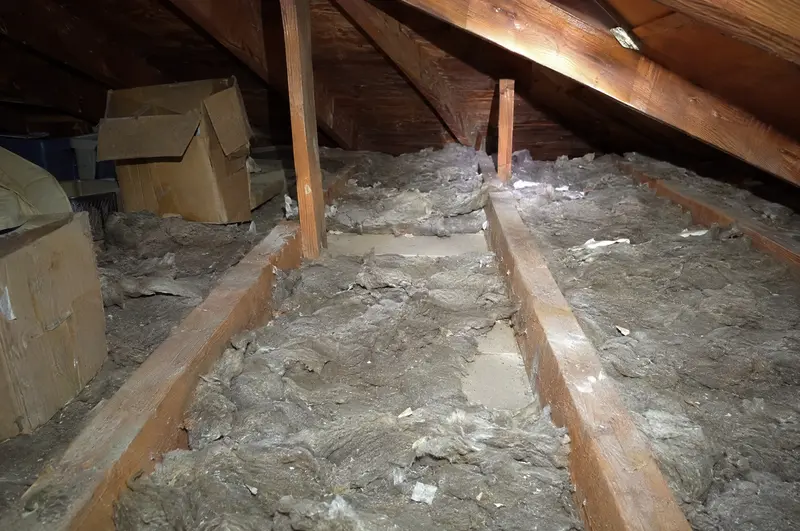
Blown-in insulation is loose-fill fiberglass or cellulose spread across the attic floor in a deep, even layer. If you have an ordinary attic you can crawl through, it is almost always the best value per R-value. It fills around wires and framing, can go over clean existing insulation, and most homes are done in a day.
Spray foam: for spaces with no attic floor
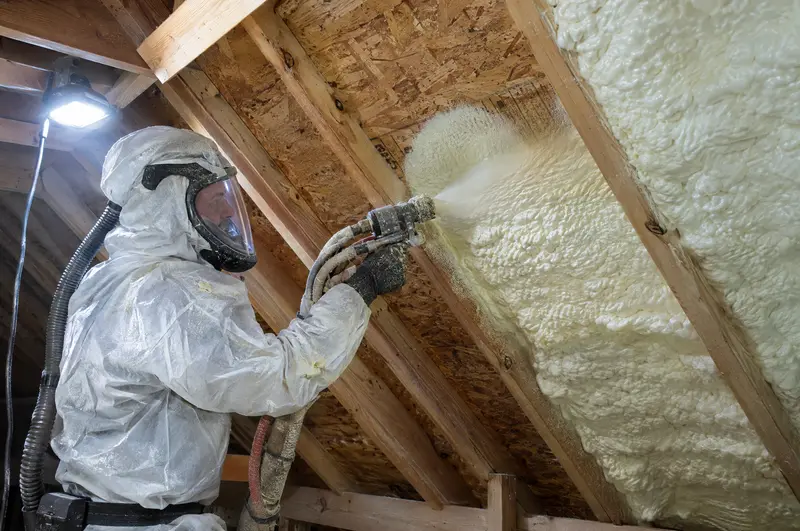
Spray foam is sprayed onto a surface, where it expands and hardens. It insulates and air seals in one step. That makes it the right tool for:
- Vaulted and cathedral ceilings with no attic above
- Bonus rooms and rooms over garages
- The underside of the roof deck, when you want the attic itself to stay cool because the HVAC lives up there
- Open walls during a remodel
Side by side
| Blown-in | Spray foam | |
|---|---|---|
| Best for | Open attic floors | Vaults, roof decks, walls |
| Air sealing | Needs separate sealing | Built in |
| Cost | Lower | Higher |
| Install time | Usually 1 day | 1–2 days + cure time |
| Stay home during install? | Yes | No, plan to be out |
What we usually recommend
For a typical single-story home in the San Fernando Valley: air seal, then blown-in to R-38 or R-49 on the attic floor. For a two-story home with a hot bonus room: blown-in in the main attic and spray foam in the bonus room ceiling. For a home with ducts running through a scorching attic, it is worth talking about foam on the roof deck, or a radiant barrier as a lower-cost middle ground.